Essential spring pruning checklist for UK gardeners 2026
Spring pruning can feel a bit like opening the curtains after a long winter: everything is there, but not everything should stay as it is. Get it right and you will set your garden up for better shape, stronger growth, healthier flowers, and fewer headaches later in the season. Get it wrong, and you can easily cut off this year's buds, stress a plant that was already hanging on, or just make more work for yourself in May.
This Essential spring pruning checklist for UK gardeners 2026 is designed for real gardens, real weather, and real-life timing in the UK, where March can feel like late winter one day and early summer the next. Whether you tend a small terrace patch, a suburban front garden, or a larger family garden, the aim is the same: prune with confidence, not guesswork.
You will find a practical checklist, clear timing guidance, plant-by-plant considerations, common mistakes to avoid, and a simple way to decide when to do the job yourself and when to call in help. No fluff. Just the useful stuff that actually makes pruning easier.
If you want ongoing garden support beyond pruning, it can also help to look at a trusted local team's about us page, check their health and safety approach, and review pricing and quotes before booking work in.
Table of Contents
- Why spring pruning matters
- How spring pruning works in UK gardens
- Key benefits and practical advantages
- Who this is for and when it makes sense
- Step-by-step guidance
- Expert tips for better results
- Common mistakes to avoid
- Tools, resources and recommendations
- Law, compliance, standards and best practice
- Options, methods and comparison table
- Case study or real-world example
- Practical checklist
- Conclusion
- Frequently asked questions
Why Essential spring pruning checklist for UK gardeners 2026 Matters
Spring pruning matters because plants wake up quickly once daylight increases and temperatures begin to lift. In the UK, that often means a short window where stems are still manageable, growth has not fully surged, and the structure of the plant is easy to see. Miss that window, and you can end up trying to correct a plant after it has already put on soft new growth. That is never quite as neat.
There is also a very practical reason: pruning is not just about tidying. It is about directing energy. A good cut can encourage flowering, improve airflow, reduce disease pressure, and help shrubs or climbers keep their shape. A poor cut can do the opposite. Truth be told, spring pruning is one of those jobs that looks simple until you are standing in front of a shrub wondering, "Is this the branch I should remove, or the one that flowers in April?"
That uncertainty is exactly why a checklist helps. It gives you a process rather than a hunch. It also stops the common trap of pruning everything that looks untidy. Not every plant wants the same treatment, and not every plant wants a spring haircut at all.
For 2026, the broad principles remain the same: know the plant, check the weather, use clean tools, and prune for purpose. The extra benefit now is that many UK gardeners are taking a more sustainability-minded approach too, choosing to compost healthy prunings, reuse good material as garden supports, and reduce waste where possible. If that matters to you, a general read through recycling and sustainability can be useful when planning how you handle cuttings and green waste.
How Essential spring pruning checklist for UK gardeners 2026 Works
Spring pruning works best when you treat it as a sequence, not a single task. First you identify the plant type. Then you check whether it flowers on old wood or new wood. After that, you assess the plant's shape, health, and size. Only then do you make cuts. Simple in theory, a bit fiddly in practice, but that order matters.
The biggest dividing line is flowering habit. Some shrubs flower on growth made last year, which means a hard spring prune can remove the very buds you were hoping to enjoy. Others flower on the current season's growth and can cope with, or even benefit from, a spring cut. That is why a one-size-fits-all approach is risky. If you prune first and ask questions later, you may get a very tidy plant with no flowers. Not ideal.
In UK gardens, weather is a real part of the process. You want a dry spell if possible, a frost-free forecast, and enough daylight to see what you are doing properly. Pruning in very cold or very wet conditions can stress plants and make disease spread more likely. A damp hedge on a grey Saturday morning has a certain atmosphere, yes, but it is not always the best moment to start taking major cuts.
The method itself is straightforward:
- Inspect the plant carefully from a short distance and then up close.
- Remove dead, damaged, diseased, or crossing growth first.
- Reduce overcrowded stems to open the centre up.
- Shape lightly rather than forcing an unnatural outline.
- Step back every few minutes to check symmetry and balance.
This "cut a little, look a lot" rhythm is especially useful in spring because growth is about to accelerate. You can always remove a little more. You cannot put a branch back on. Annoying, but true.
Key Benefits and Practical Advantages
A well-timed spring prune can make a noticeable difference by mid-season. You will often see cleaner regrowth, fewer congested stems, and better access for light and air. That in turn can help reduce fungal issues and make later maintenance much easier.
Here are the main benefits most UK gardeners notice:
- Better plant structure - shrubs and climbers stay balanced instead of becoming leggy or top-heavy.
- More reliable flowering - when pruning matches the plant's flowering cycle, buds are preserved rather than removed by accident.
- Healthier growth - dead or diseased material is taken away before it becomes a bigger problem.
- Improved airflow and light penetration - important in crowded borders and small urban gardens.
- Less clutter later in the year - a tidy spring job usually means less corrective work in summer.
There is also a quieter benefit: confidence. The more you prune correctly, the more you start to read a plant's shape and response. That experience builds quickly. After a few seasons you begin to notice how a rose, buddleia, clematis, or fruit tree behaves after a cut, and it becomes far less mysterious.
For many gardeners, the practical upside is time. A clean, organised spring pruning routine often saves hours later, especially in larger beds where a few neglected shrubs can become a tangle by June. The job pays you back, basically.
Who This Is For and When It Makes Sense
This checklist is for anyone tending a UK garden who wants to prune in spring without damaging plants or wasting effort. That includes beginners, experienced home gardeners, landlords maintaining small outdoor spaces, and anyone responsible for shared residential gardens or small commercial plots.
It makes particular sense if your garden contains:
- flowering shrubs such as forsythia, choisya, viburnum, or some hydrangeas
- roses that need a seasonal tidy and selective cutting back
- climbers such as clematis, honeysuckle, or wisteria
- soft fruit bushes and canes
- young trees that still need structural shaping
- hedges that have outgrown their neat winter outline
It is also useful if you have just moved into a property and do not yet know what was planted where. That happens more often than people admit. You inherit a garden full of mystery stems, and suddenly pruning becomes a detective story.
Spring pruning makes the most sense when:
- the plant is known to respond well to spring cuts
- new growth is just starting but not fully underway
- you can clearly see dead wood or winter damage
- the weather is reasonably dry and mild
If you are unsure about a plant, a conservative approach is usually the safer one. Light pruning is almost always easier to recover from than a heavy cut made with confidence in the wrong direction.
Step-by-Step Guidance
Use this as a practical spring pruning sequence. It is written for real gardens, not show gardens. And yes, sometimes you will need to pause halfway through to make a cup of tea and rethink a branch. That counts as due diligence.
1. Start with a full garden walk-through
Look at the whole space before picking up the secateurs. Which plants are actually overgrown, and which just look untidy after winter? A lot of spring pruning mistakes happen because people start cutting the first thing they see.
2. Identify the plant and its flowering pattern
Check whether it flowers on old wood or new wood. This is the single most useful judgement in spring pruning. If a shrub flowered early in the season and is now setting up next year's buds, a hard cut may be a bad move. If it flowers later on fresh growth, you often have more room to work.
3. Remove obvious damage first
Cut away dead, diseased, broken, or frost-scorched stems back to healthy tissue. Look for brown, dry interior wood or stems that snap rather than bend. This part is common sense, but it matters. You are clearing the clutter before making any shaping decisions.
4. Thin crowded growth
Inside dense shrubs, remove stems that rub against each other or cross awkwardly. This helps airflow and stops the plant from turning into a damp, congested mass. In wetter parts of the UK, that extra airflow can make a real difference.
5. Shape lightly
Take the plant back gradually, keeping its natural form in mind. A rounded shrub does not need to become a perfect football. Let it be a plant, not a haircut from a drill sergeant.
6. Make cuts in the right place
Cut just above a healthy bud or side shoot, usually at a slight angle so water does not sit on the cut surface. Avoid leaving stubs, which can die back and look untidy, and avoid cutting too close to the bud, which can damage it.
7. Step back and reassess
Every few cuts, stand back. View the plant from different angles. This helps you spot uneven sides, hidden congestion, or a section that still needs thinning. A garden often looks different from three steps away than it does with your nose in the hedge.
8. Tidy up and dispose of material properly
Collect healthy prunings for composting where suitable, and separate anything diseased or pest-affected. Do not leave a pile of cuttings under the shrub; that can trap moisture and invite trouble.
Expert Tips for Better Results
Good pruning is as much about judgement as it is about cutting. A few small habits can improve the result immediately.
- Prune on a dry day if you can. Wet stems are harder to assess, and damp conditions can make disease spread more likely.
- Sharpen and clean tools before you start. Clean cuts heal more neatly. Blunt blades tear stems, which is never pretty.
- Work from the inside out. Clear the worst congestion first, then refine shape.
- Match your cut to the plant's energy. Vigorous shrubs can usually take a little more; slow growers prefer restraint.
- Keep an eye on frost risk. After a hard frost, some plants need a short recovery period before pruning.
- Do not chase perfection. A slightly irregular shape is often healthier than a too-tight, overworked plant.
One useful habit is to keep a quick note of what you pruned and when. Nothing complicated. A line in a notebook or on your phone is enough. Next spring, you will be very glad you did. Otherwise the memory gets fuzzy, and suddenly you are standing there thinking, "Did I prune that rose in March or April?"
Another small but important point: if a plant is under stress from drought, poor soil, or recent transplanting, go easy. Pruning and stress at the same time can be too much. In that case, light corrective cutting is often wiser than a full makeover.
Common Mistakes to Avoid
Most pruning problems come from doing too much, too soon, or on the wrong plant. The mistakes below are common enough to be worth naming plainly.
- Pruning spring-flowering shrubs too hard. This can remove this year's buds and leave you with foliage only.
- Ignoring plant type. A rose, a clematis, and a hydrangea do not all want the same treatment.
- Using dirty or blunt tools. This increases damage and can spread disease.
- Cutting in frosty weather. Fresh cuts and frost are not a good pairing.
- Taking too much off at once. Severe pruning can shock a plant and trigger weak regrowth.
- Leaving stubs. They die back and can become entry points for disease.
- Forgetting to step back. Very easy to do. Also very easy to regret.
The most expensive mistake, if you can call it that in gardening terms, is usually the wrong timing. A plant may recover eventually, but you may lose a season of flowers or shape. So if you are ever unsure, light pruning is the safer choice.
Tools, Resources and Recommendations
You do not need a van full of equipment to prune well. A modest, reliable tool kit is better than a pile of poor-quality gadgets that never quite work properly.
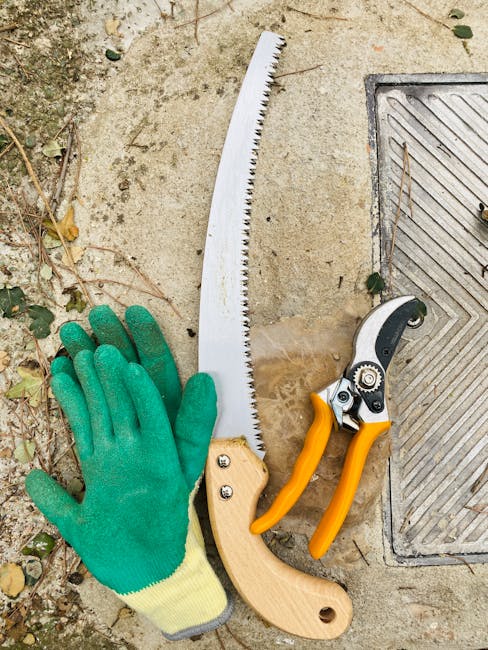
| Tool | Best use | Why it matters | |
|---|---|---|---|
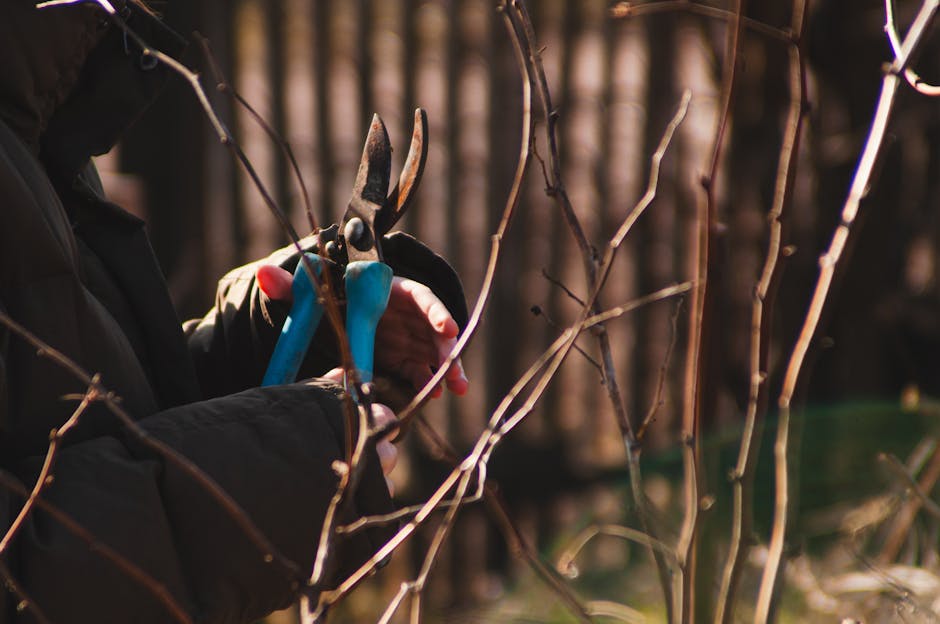
| Bypass secateurs | Small to medium stems | Clean cuts on living growth | |
| Loppers | Thicker branches within reach | More leverage and control | |
| Pruning saw | Old or woody stems | Useful for larger, tougher cuts | |
| Gloves | General protection | Useful for roses, thorny shrubs, and rough bark | |
| Disinfectant or cleaning wipes | Tool hygiene between plants | Helps reduce disease spread |
A few recommendations from everyday practice:
- Choose secateurs that fit your hand properly. If they are awkward, you will feel it by the third shrub.
- Keep blades clean during the job, especially if moving between plants showing signs of disease.
- Use loppers for thicker stems rather than forcing secateurs beyond their limit.
- Wear eye protection if you are cutting above shoulder height or working under tangled growth.
If pruning becomes a larger seasonal task, or if your garden includes tall hedges, mature shrubs, or awkward access, professional help can be a sensible option. A service with clear safety guidance, such as insurance and safety information, gives extra reassurance, especially where ladders, power tools, or shared access are involved.
Law, Compliance, Standards, or Best Practice
For most home gardeners, spring pruning is guided more by horticultural best practice than by formal rules. Still, there are a few sensible standards to keep in mind.
First, if your garden work is affecting neighbouring boundaries, shared hedges, or tree branches, be considerate and communicate before cutting anything significant. That is less about regulation and more about keeping neighbour relations civil, which is arguably just as valuable.
Second, if you are disposing of green waste, follow your local waste and composting arrangements carefully. Diseased plant material should not simply be left in a heap, and larger volumes may need a proper disposal route. Keeping waste separate and manageable is a good habit. If sustainability matters to you, the company's recycling and sustainability information is a useful reference point for thinking through responsible disposal.
Third, any contractor carrying out pruning should work safely, use appropriate protective equipment, and communicate clearly about scope and limitations. If you are hiring help, it is sensible to read the provider's terms and conditions and privacy policy, and to check how they handle payment through their payment and security page. It sounds dull, but it saves hassle later.
In short: prune responsibly, dispose of waste properly, and if someone else is doing the job, make sure their standards are clear. That is the practical version.
Options, Methods, or Comparison Table
There is no single right way to approach spring pruning. The best method depends on the plant, the size of the job, and how confident you are with the cuts.
| Method | Best for | Pros | Watch out for |
|---|---|---|---|
| Light selective pruning | Most shrubs, roses, climbers | Low risk, preserves flowering potential | Can be too cautious if a plant is badly congested |
| Structural pruning | Young trees, trained forms, overgrown shrubs | Improves long-term shape and balance | Needs a good eye and patience |
| Hard renovation pruning | Only suitable species in poor condition | Can revive neglected plants | Risky if done to the wrong plant or at the wrong time |
| Professional pruning | Large, awkward, high, or complex gardens | Safer, faster, more technically controlled | Costs more and depends on contractor quality |
For many UK gardens in 2026, light selective pruning is the default sensible option. Structural pruning is worth considering when a plant is still young enough to influence properly. Hard renovation should be treated carefully, not as a regular habit. And professional help is often the right call when height, access, or safety become a concern.
Case Study or Real-World Example
A typical example: a small terraced garden in South London with three shrubs along the back fence, a climbing rose, and an older hydrangea near the patio. By early March, the fence line looked tangled after winter. The homeowner was tempted to cut everything back in one go, which is a very understandable urge when the garden starts looking a bit wild.
Instead, the pruning was done in stages. First came the dead and damaged stems from the shrubs. Then the crossing growth was thinned out. The climbing rose was lightly shaped rather than severely reduced. The hydrangea was only tidied, because a harder cut would have risked losing flowers later in the year. The whole job took less time than expected, and by late spring the garden looked cleaner, brighter, and far less cramped.
The interesting part was not just the appearance. Airflow improved around the fence, the rose produced stronger new shoots, and the homeowner reported that later maintenance felt easier because the structure was finally visible. Nothing dramatic. Just a more sensible garden.
That is often how good pruning works, to be fair. It does not shout. It quietly makes everything else simpler.
Practical Checklist
Use this spring pruning checklist before and during the job. It keeps things straightforward and stops you from drifting into random cutting.
- Identify each plant before cutting anything
- Check whether it flowers on old wood or new wood
- Look for dead, damaged, diseased, or crossing stems
- Confirm the weather is dry and frost risk is low
- Clean and sharpen secateurs, loppers, and saws
- Remove obvious problem wood first
- Thin crowded growth to improve airflow
- Shape lightly, keeping the plant's natural form
- Step back regularly and view the whole plant
- Do not over-prune in one session
- Collect and separate healthy and diseased cuttings
- Dispose of waste responsibly or compost suitable material
- Record what you pruned for next year's reference
Expert summary: if you remember only one thing, make it this: spring pruning is about selective improvement, not blanket reduction. The best results usually come from small, careful cuts made with the plant's growth pattern in mind.
Conclusion
A good spring prune gives your garden a clearer structure, healthier growth, and a much better start to the growing season. The key is to work with the plant, not against it. That means checking timing, understanding what type of growth you are dealing with, using clean tools, and resisting the urge to chop everything into shape in one go.
The Essential spring pruning checklist for UK gardeners 2026 is really about confidence. Once you have a simple routine, the job becomes less daunting and a lot more satisfying. You will notice the difference by late spring: better airflow, stronger regrowth, and a garden that feels cared for rather than merely controlled.
If you are planning a bigger seasonal tidy-up, need help with awkward shrubs or hedges, or simply want the reassurance of an experienced local team, it is worth checking trusted pages such as contact details and pricing and quotes. A little planning now can save a lot of second-guessing later.
Get a free quote today and see how much you can save.
And when the garden settles into that fresh, bright spring look, it really does feel worth it.
Frequently Asked Questions
When is the best time to start spring pruning in the UK?
In most UK gardens, spring pruning usually begins once the worst frosts have passed and plants are just starting to move into active growth. The exact timing depends on the plant, the region, and the weather. Some shrubs are best left until after flowering, while others can be tackled earlier in spring.
What plants should not be pruned hard in spring?
Spring-flowering shrubs that bloom on old wood should generally not be pruned hard before or during flowering, because you may remove the buds. Many hydrangeas, forsythia, and similar shrubs need a lighter, more careful approach. If in doubt, prune conservatively.
How do I know if a plant flowers on old wood or new wood?
A plant that flowers on old wood usually sets buds on the previous season's growth, so those buds need to be preserved. A plant that flowers on new wood blooms on growth produced that same year. If you are unsure, a quick plant label check or a conservative trim is safer than guessing.
Can I prune in March in the UK?
Yes, often you can, but only if the plant and the weather suit it. March can still bring frost, so it is wise to avoid cutting tender or frost-sensitive plants on very cold nights. March is fine for some jobs, but not a universal green light.
What tools do I need for basic spring pruning?
For most home gardens, bypass secateurs, loppers, a pruning saw, gloves, and something to clean tools are enough. You do not need a huge toolkit. Clean, sharp tools matter more than having every gadget under the sun.
How much should I remove when spring pruning?
Usually less than people expect. Start by removing dead, damaged, or crossing stems, then thin or shape lightly. If a plant needs major reduction, confirm that the species can tolerate it before going further. Smaller cuts are generally safer than heavy ones.
Is spring pruning different for roses?
Yes. Roses often benefit from spring pruning because it helps shape the plant and encourage flowering, but the exact method depends on the rose type. The general rule is to remove weak or dead stems, open up the centre, and make clean cuts above healthy buds.
What should I do with pruning waste?
Healthy material can often be composted or recycled in the garden where suitable. Diseased or pest-affected material should be separated and disposed of carefully. It is best not to leave prunings sitting around in wet piles, as they can attract problems.
Should I hire a professional for spring pruning?
It makes sense if the garden is large, access is awkward, the hedge is tall, or you are dealing with mature shrubs or trees. A professional can also be helpful if you are unsure about plant type or timing. For more involved work, checking a provider's safety and service information is wise.
What is the biggest spring pruning mistake gardeners make?
The biggest mistake is usually pruning the wrong plant at the wrong time. Many gardeners cut based on appearance alone, without checking whether a shrub flowers on old wood or new wood. That can cost a whole season of flowers. A short pause before cutting is often the best tool of all.
Can spring pruning help with plant disease?
Yes, carefully removing dead, damaged, and overcrowded growth can improve airflow and reduce damp pockets where disease may develop. It is not a cure-all, though. If a plant has an active disease issue, pruning should be paired with good hygiene and proper disposal of affected material.
How do I avoid over-pruning?
Work slowly, prune in stages, and step back often. If you are not sure, stop and reassess rather than making another big cut. The plant should still look like itself when you finish, just cleaner, healthier, and a bit more breathable.